Better
health
days
lives
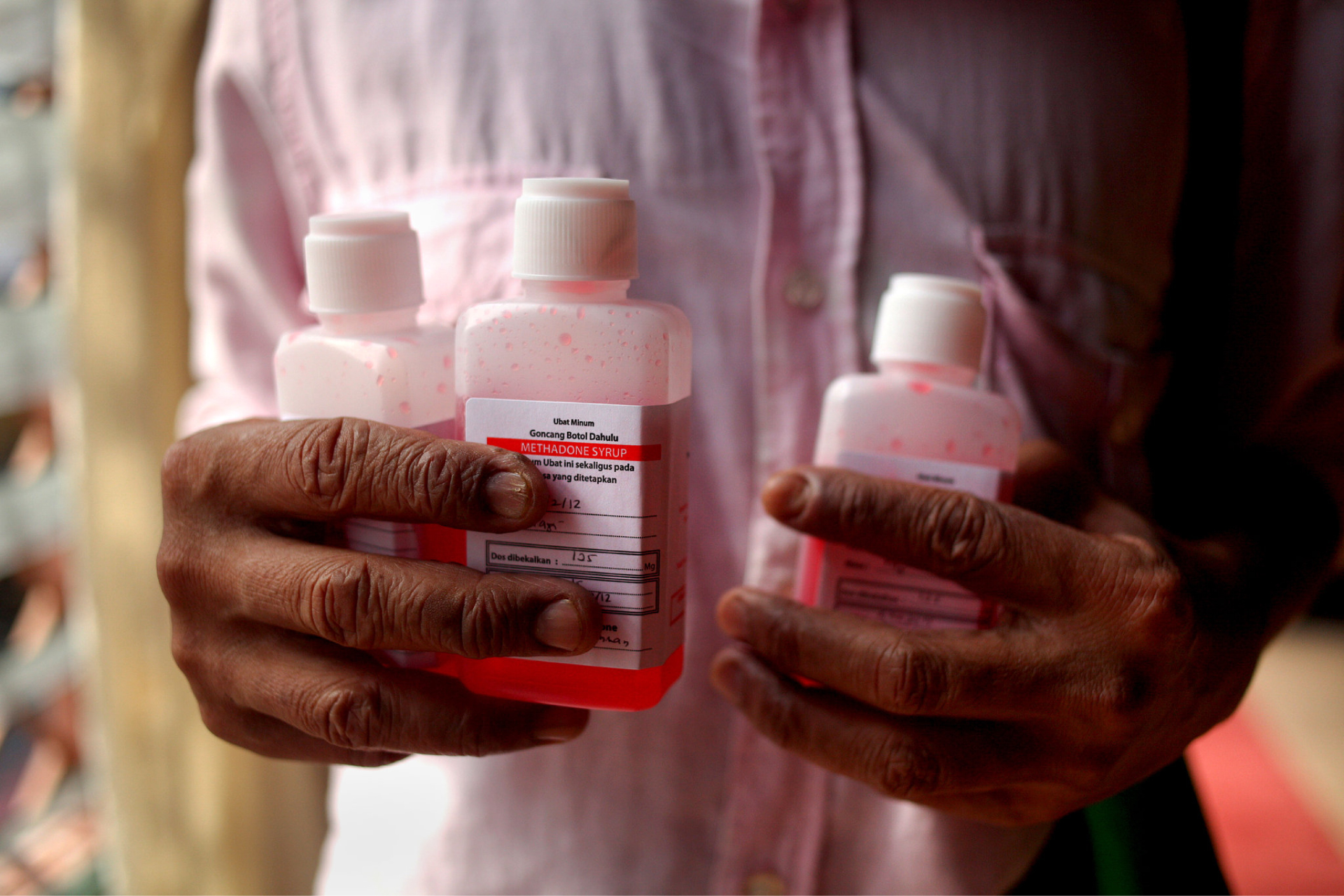
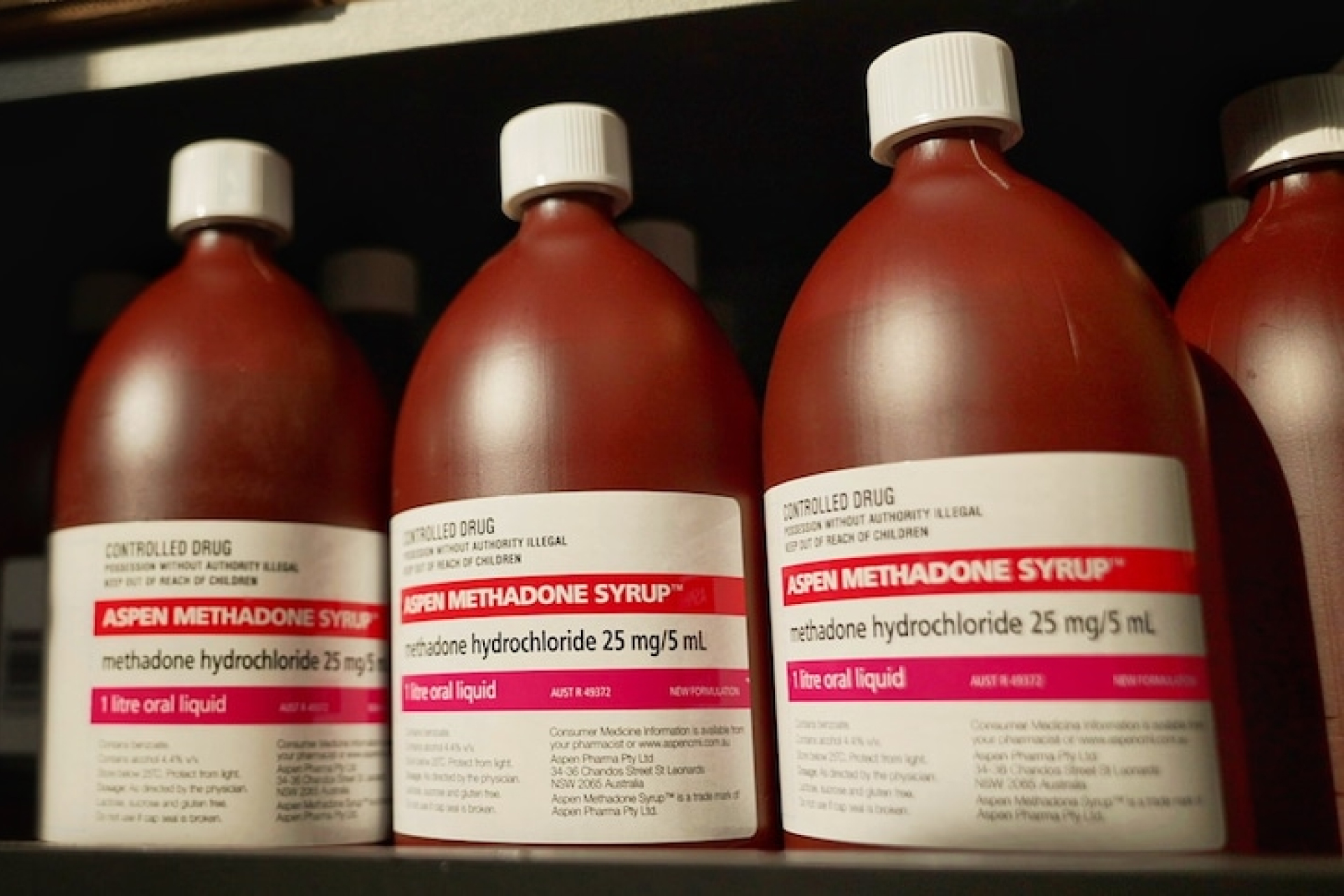
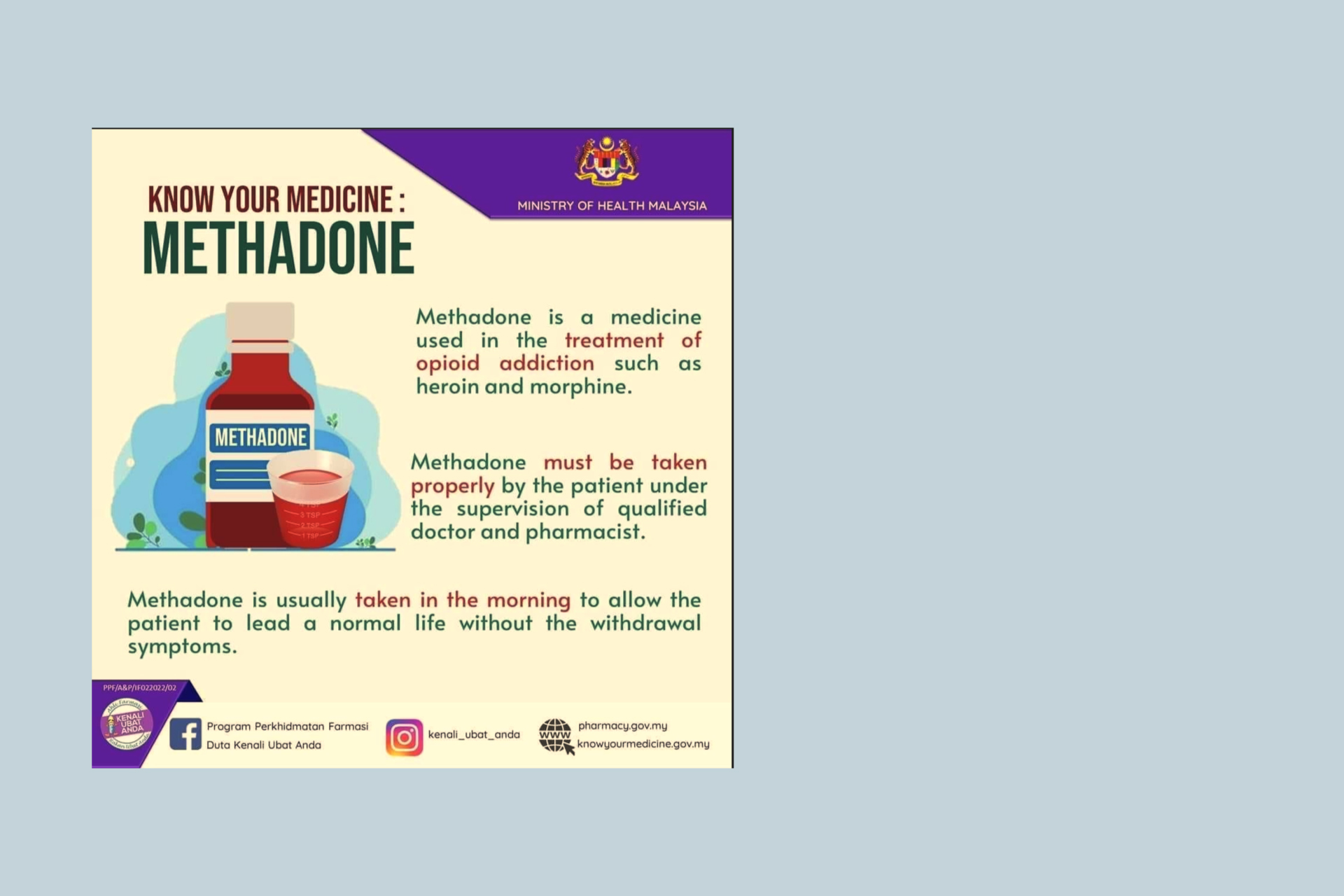
Methadone is a synthetic opioid that has similar properties to morphine. In Malaysia, the Drug Control Authority (DCA) had approved six (6) products containing methadone in syrup form for detoxification or maintenance treatment of narcotic addiction.
011-2427 3072
Meet Dr. Rusdi
Dr Rusdi Abd Rashid, an associate professor from the Department of Psychological Medicine, University Malaya, said many methadone patients suffered from withdrawal, especially during the initial phase of the MCO, as they defaulted on their follow-up treatment due to fear of being caught by the police.
“I saw drug users turn to alcohol abuse to minimise their withdrawal. Untreated comorbid depression usually ends up with stimulants use to self-medicate the depressive illness. Cases of alcohol abuse increased,” he told
12 Years
of Experiences

Our Timeline
Pilot Methadone Maintenance Therapy (MMT) Program Launched
This marked the official beginning of methadone use in Malaysia for opioid substitution therapy.
Led by: Ministry of Health (MOH) Malaysia in collaboration with the Malaysian AIDS Council (MAC). Target group: Injecting drug users (IDUs), primarily those living with HIV or at high risk.
Expansion to Public Health Facilities
Methadone services were integrated into government health clinics (Klinik Kesihatan) and hospitals.
Significance: From a pilot, it expanded into a national harm reduction strategy under the National Strategic Plan on HIV/AIDS. Support: Also supported by the National Anti-Drugs Agency (AADK) for wider reach.
Introduction of Methadone Dispensing in Prisons
Methadone treatment was introduced in selected Malaysian prisons as a harm reduction strategy.
Goal: To address opioid dependence among incarcerated individuals and reduce HIV transmission. Pilot sites: Kajang Prison was among the first.
Introduction of Take-Home Methadone (THM)
Eligible stable patients were allowed to take home their methadone doses under strict regulation.
Impact: Increased accessibility and reduced burden on daily clinic visits, improving compliance and quality of life. Criteria: Based on adherence, urine tests, and social stability.
Digitalization and Smart Dispensing Initiatives
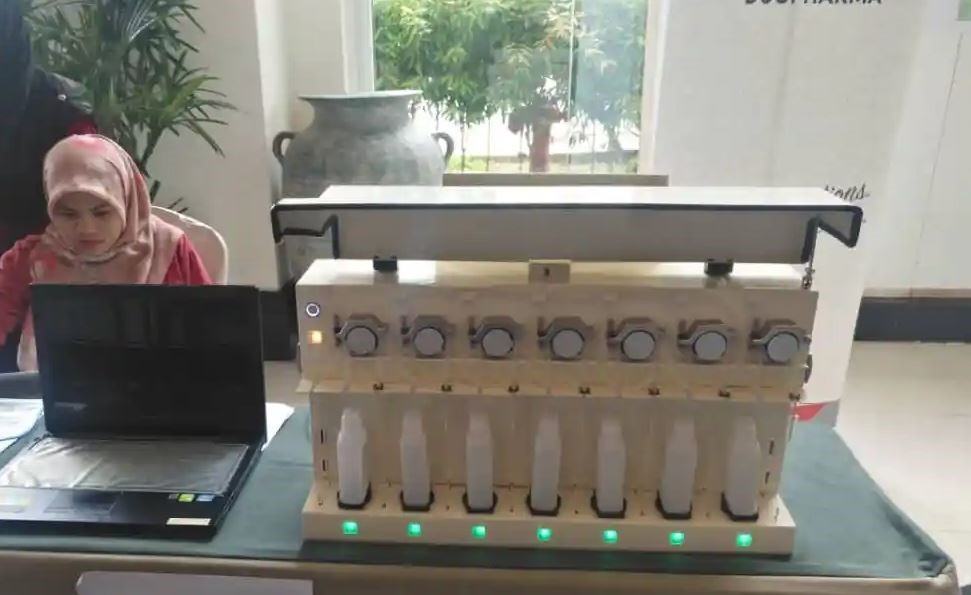
Implementation of digital records and automated methadone dispensers (pilot projects in some health clinics).
Purpose: Improve accuracy, tracking, and patient convenience. Relevance: Also related to pandemic-era restrictions and needs for contactless access.
Our Doctors and Patients
Best Health Care
"I've been on methadone for over two years now, and it has completely changed my life. I used to wake up every day chasing heroin, but with methadone, I feel stable and in control. It helped reduce my cravings and gave me the space I needed to rebuild my relationships and get a job. It's not a cure, but it’s a tool that worked for me."

Doctor cares everyone!
"Methadone is not a miracle, but it gave me a second chance. After 10 years of struggling with opioid addiction, I finally found something that worked. The biggest benefit is that it lets you live a normal life without the constant up-and-down. No more withdrawals, no more hustling."
Great services!
"I was skeptical at first, but methadone helped me stop using street drugs. The daily dose keeps me from getting sick, and the structure of the clinic visits gave me a routine. I no longer feel like I’m living in chaos. I'm now focused on my kids and trying to complete my diploma."

Best Advices
I"At first I thought methadone would just be replacing one addiction with another, but it’s different. It’s supervised and controlled. I don’t feel high, I just feel normal. I can work again and support my family. That’s something I never thought I’d be able to say."